Working in the context of international conflict, trauma and displacement
This two-part webinar explores themes emerging from systemic therapeutic work with people affected by international conflict, trauma and displacement. It focuses on how we work therapeutically in these challenging circumstances, and how systemic practice can respond to the very different contexts in which people are living and working.
AFSP member ticket: £35
Non member ticket: £45
AFSP student member: £20
Online
Organiser
Association for Family and Systemic Psychotherapy
Rather than examining the political forces underpinning these conflicts, the webinar focuses on the human experience of pain, loss, uncertainty and resilience. Across both presentations, we will consider what happens when therapists are themselves living within, or closely connected to, the communities affected by conflict, and how this shapes therapeutic relationships, professional practice and the possibilities for resilience and recovery.
The Israel context
We have been examining the notion of collective or shared trauma following the devastating events of October 7, 2023. In-depth interviews were conducted with colleagues, six therapists and two supervisors, at a resilience centre in Southern Israel 8-10 months after the start of the war between Israel and Hamas.
Thematic analysis of the interviews raised five main themes: the need for flexibility and creativity in the way therapeutic interventions are delivered in emergency situations; the challenge of maintaining professional involvement against the backdrop of the crisis of trust in the state’s systems; the impact of strong identification between therapists and clients owing to their shared traumatic experience; the increased importance of self-care for caregivers; the added value of systemic work with families and communities.
In the light of the findings of the study a new treatment paradigm is proposed, adapted to situations of collective trauma and ambiguous loss when the therapist is part of the affected community.
The Ukraine context
In this presentation, we will reflect on what it means to practise systemic family psychotherapy in the context of prolonged war, chronic stress, trauma, violence and forced displacement. Drawing on clinical experience from Ukraine, we will consider how ongoing exposure to traumatic events shapes not only the lives of individuals and families, but also the professional and personal realities of therapists who continue to live and work within the same context as their clients.
We will also discuss how war transforms family life, giving rise to diverse forms of family existence: families living across different countries, partners separated by military service, displaced families rebuilding their daily lives, and families adapting to loss, the absence of loved ones, and ongoing uncertainty. From a systemic perspective, these changing family configurations invite us to reconsider the relationships, roles, boundaries, and resources that enable families to remain connected despite prolonged adversity, or, in some cases, lead to family breakdown.
Finally, we will reflect on one of the central dilemmas of living and working in wartime: how to think simultaneously in terms of survival values and development values. While survival demands adaptation, vigilance and immediate responses to threat, therapeutic work also seeks to preserve hope, agency and the capacity for growth. We will consider how systemic thinking helps us hold these seemingly contradictory realities together, supporting both therapists and families in sustaining resilience while continuing to imagine a future beyond survival.
Secure your place today
If you can’t attend live, don’t worry. Reserve your place today, and we’ll send a post-event recording to allow you to view in your own time.
About the speakers
Anna Chyrkova
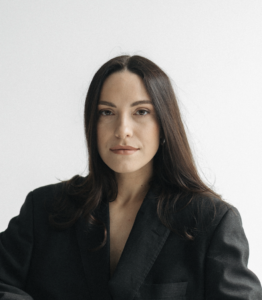 Anna is a psychologist, systemic and family psychotherapist and chair of the Ukrainian Association of Systemic and Family Psychotherapy (UASFP). She is based in Dnipro, a city in Southeastern Ukraine whose region borders areas that have been affected by the war since 2014.
Her work with trauma, conflict and displacement began in 2014, when she volunteered as a crisis psychologist at a humanitarian support centre for internally displaced people and families affected by the war in eastern Ukraine.
Since the beginning of the full-scale Russian invasion in 2022, she has continued to live and work in Dnipro, providing psychotherapy while experiencing the realities of ongoing war, repeated threats to civilian safety, loss and uncertainty within her own community.
Her professional interests include the application of a systemic approach to working with trauma and fostering resilience.
David Amias
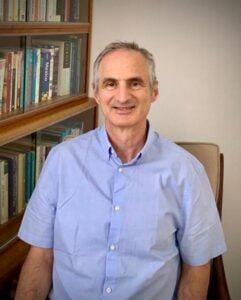 David has 35 years experience in child and adolescent mental health in public services and private practice with couples, individuals and families. He qualified as a social worker at Haifa University in 1984 and worked in Israeli development towns before completing training as a family therapist at the Tavistock Centre in 1993 under the supervision of John Byng-Hall.
David worked in different CAMHS and social care units in London before his employment at the Tavistock in 2005 where he worked as a clinician, teacher, consultant and supervisor specialising in working with refugees and asylum seekers until retiring to return to Israel in 2023. He works currently in Israel in a resilience centre in the Sdot Negev area of the Gaza Envelope helping people cope with trauma and anxiety under fire.
He also works for the Ministry of Defence helping to rehabilitate individuals, couples and families affected by the ongoing security situation.