Our people
Our board of trustees leads the Association for Family and Systemic Psychotherapy (AFSP). They develop and set our strategy and make key decisions, while our staff team run our day-to-day operations.
Our staff
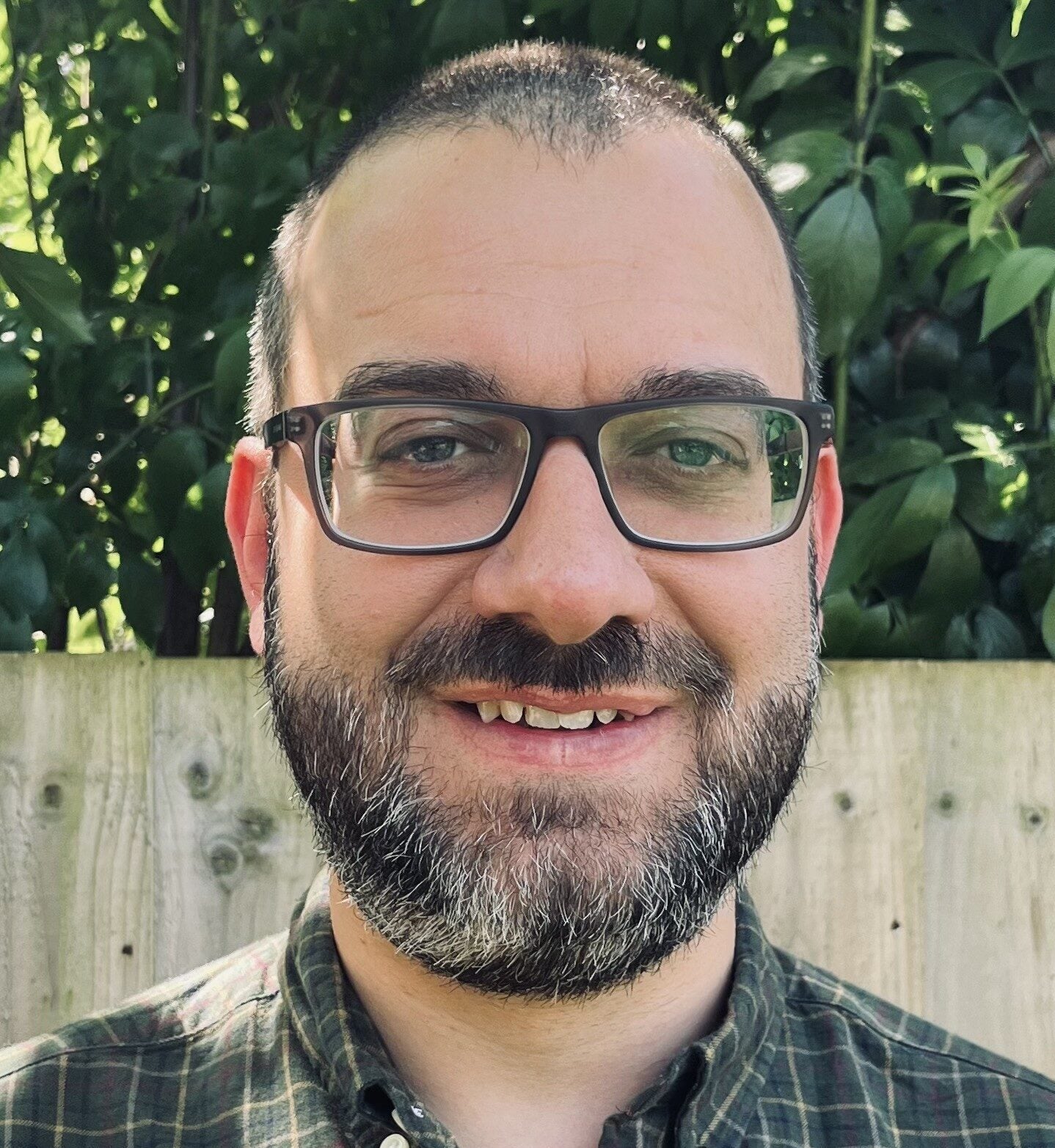
Rob Avann
Interim chief executive officer
Contact
Rob (Orchard Park Consulting) is a values-led charity consultant and interim CEO, with 8+ years’ experience as a charity CEO and 16+ years’ experience as a trustee of 5 very different charities.
Rob provides leadership, governance and strategy support to charities, not-for-profits and their leaders based on his experience, skills and passion for social impact. He has worked in and around the charity and social impact sector for 20 years in a wide range of capacities. He is led by his values which are integrity, compassion, inclusion, collaboration and flexibility.
Rob is proud to be supporting AFSP as interim CEO, bringing his expertise and experience to focus on strengthening the organisation and supporting the staff team, board and members to prepare for the recruitment of a long-term and permanent successor.
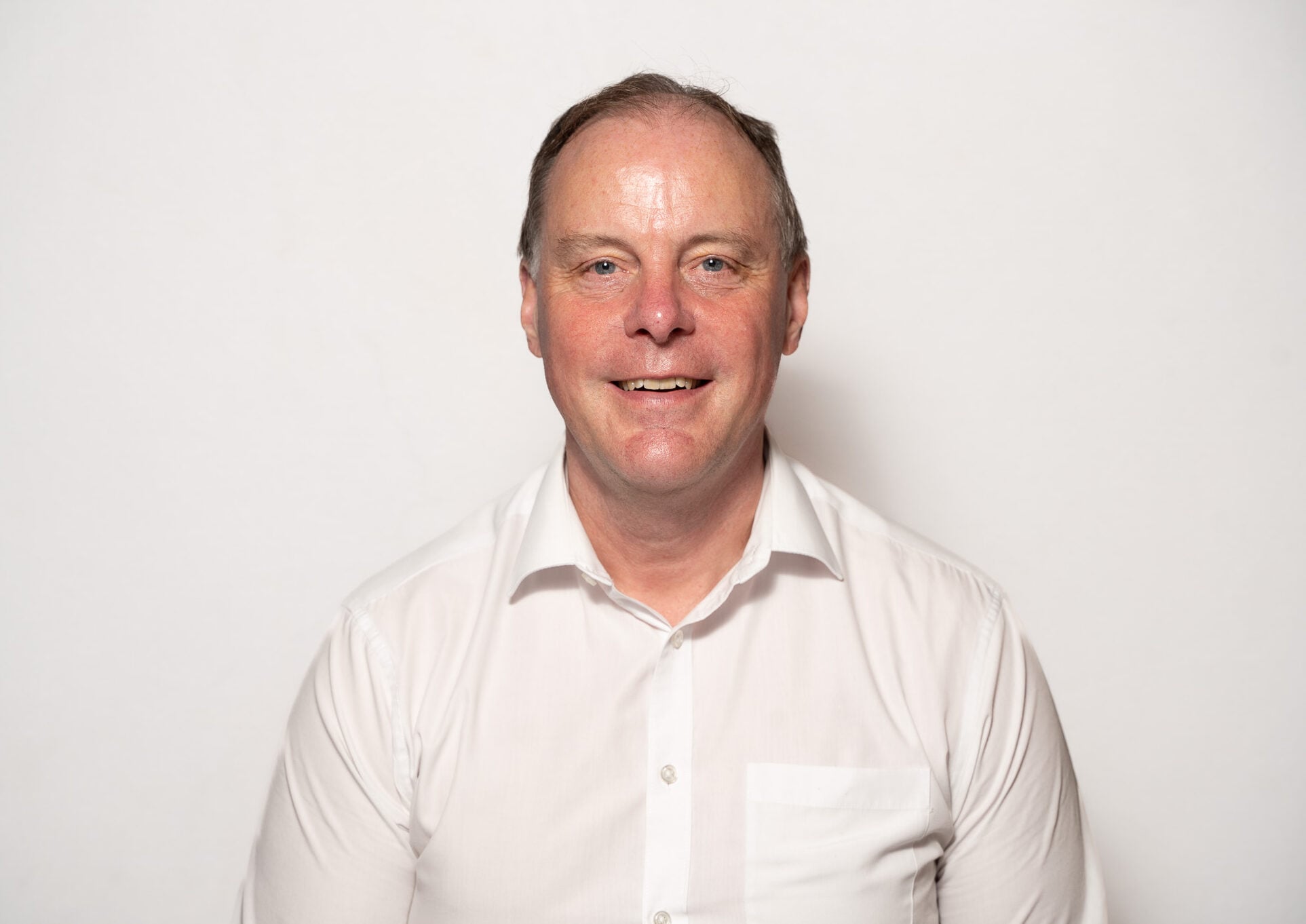
Philip Santana-Reedy
Operational and finance director
Contact
[email protected]Phil joined AFSP in January 2022. He has extensive experience working at senior levels in multiple industries in the UK and Europe, influencing the structure and positioning of business. He also has significant experience working in the voluntary sector at senior levels. Phil specialises in restructuring organisations and change management. He has helped businesses and third-sector organisations to grow.
In challenging the status quo, Phil has guided AFSP through multiple developments. This includes digitalising our systems and processes and presenting a more professional face to help better represent our position in the public eye.
Why did you want to work at AFSP?
I’ve spent most of my adult life working simultaneously within the private and voluntary sectors as an employed professional and volunteer. Each has provided their individual unique learning curves. In joining AFSP, I combined these skillsets to help guide the organisation towards its ambitious growth and desired development.
Why do you think family therapy and systemic practice are important?
Individuals are rarely the root source of problems. The complexity is often created by the dynamics within their relationships. Working with the family unit is, ultimately, the route to resolution and a quiet mind.
What’s your favourite quote related to mental health?
“Success is not final, failure is not fatal: It is the courage to continue that counts.” – Winston Churchill, former UK prime minister.
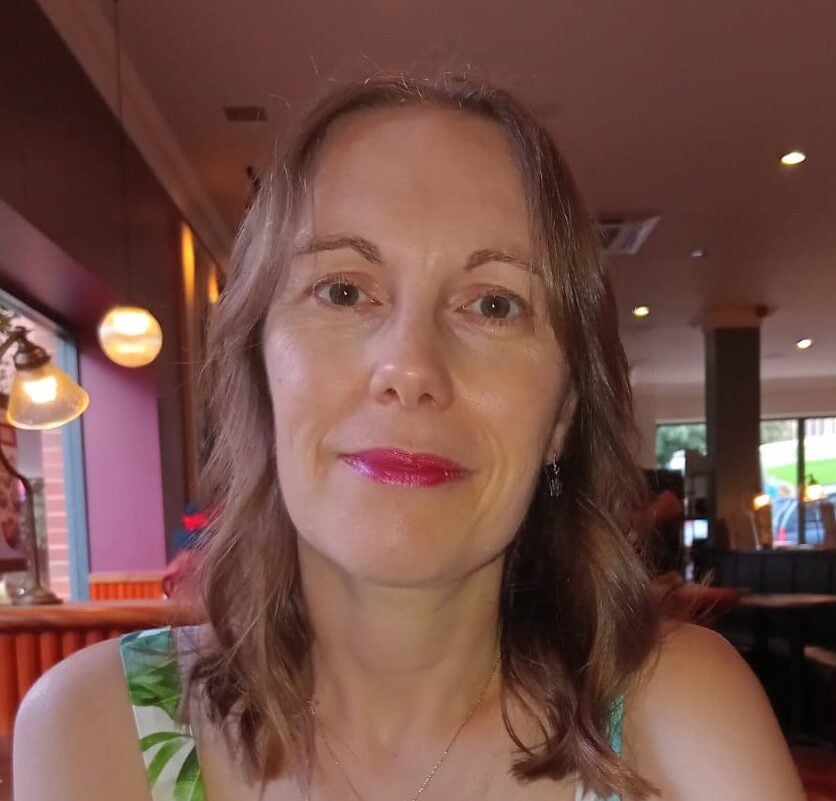
Sharon Harper
Professional standards manager
Contact
Sharon has worked with AFSP since 2024 as our professional standards manager.
She writes and reviews policies and procedures such as our Code of Ethics and Practice and Training Standards Review. This supports members by giving them professional standards to abide by. It also helps manage the public’s understanding of the role and regulations around practising as a family and systemic psychotherapist. This helps build trust around the profession and AFSP.
Sharon has worked in the same role for a membership and regulatory organisation, as well as for charities such as Action for Children.
Why did you want to work at AFSP?
I’ve always chosen to work for things I believe in, and I think good mental health is critical in so many ways. Family and the concept of family have always been important to me. We need human connection and supporting members with this feels worthwhile.
Why do you think family therapy and systemic practice are important?
To support individuals, couples and families (including any group who defines themselves as a family) who are struggling to navigate their relationships.
What’s your favourite quote related to mental health?
“Your mental health is everything – prioritise it. Make the time like your life depends on it, because it does.” – Mel Robbins, author.
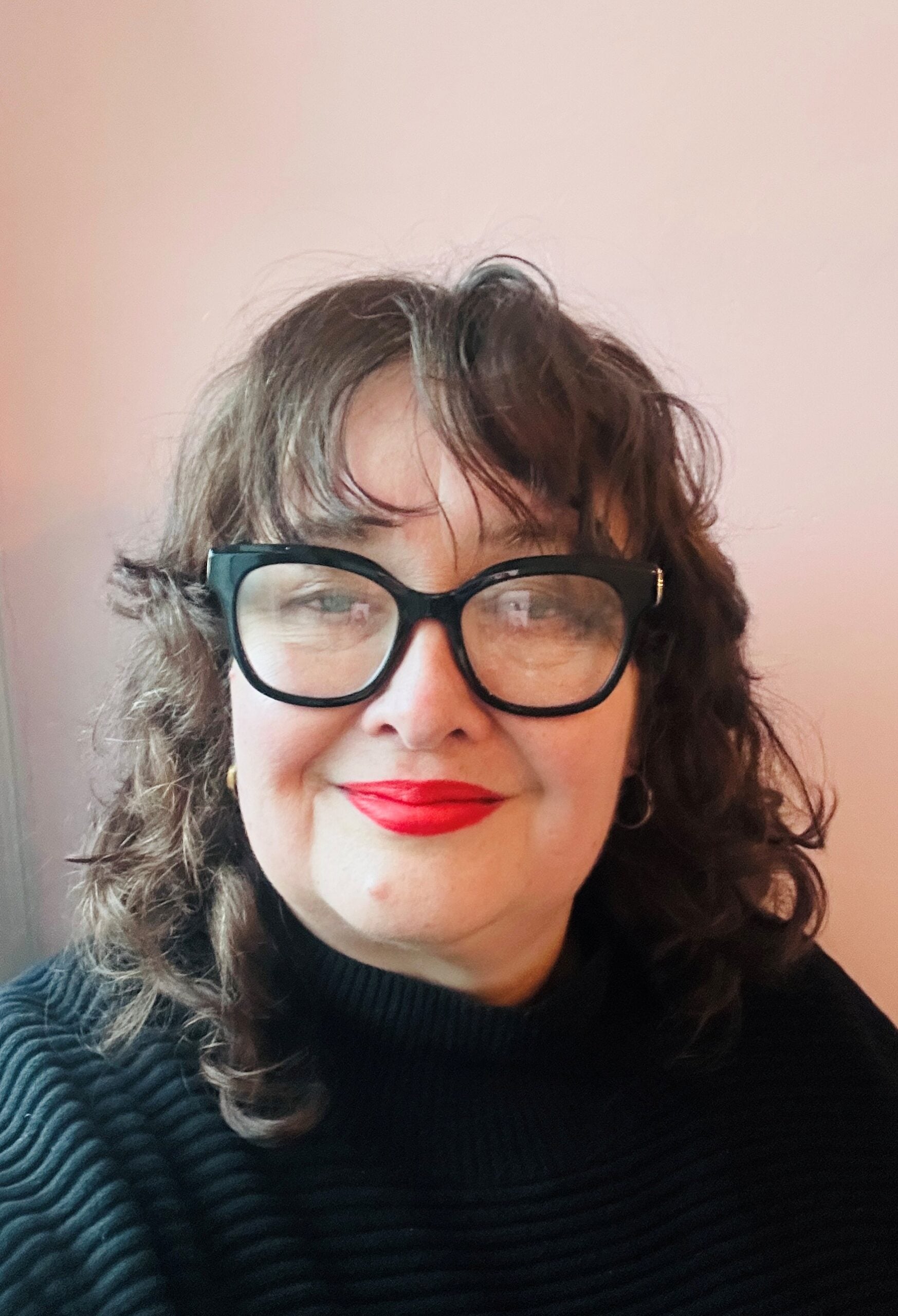
Louise Norris
Publications manager
Contact
Louise arrived at AFSP in 2007 with a background in design. She previously worked in publishing as a graphic designer and studio manager, creating marketing communications, advertising and publications.
Louise enjoys collaborating with editors, authors and the publishing committee to produce Context magazine, helping AFSP’s members and other authors share their ideas, and promoting the modality.
She also designs materials to support our annual conference, sells and produces advertising, and compiles our email newsletters, helping to keep members informed.
Why did you want to work at AFSP?
I thought it would be interesting, varied and worthwhile work, and it is, as I’m still here.
Why do you think family therapy and systemic practice are important?
We are all part of multiple systems, from the smallest family unit to more complex systems within workplaces, to how we relate to the ecosystem which plays host to us. They can all have an impact on us and vice versa. Paradoxically, we have also never been more connected and yet we are seemingly becoming more polarised.
What’s your favourite quote related to mental health?
“Pull a thread here and you’ll find it’s attached to the rest of the world.” – Nadeem Aslam, novelist.
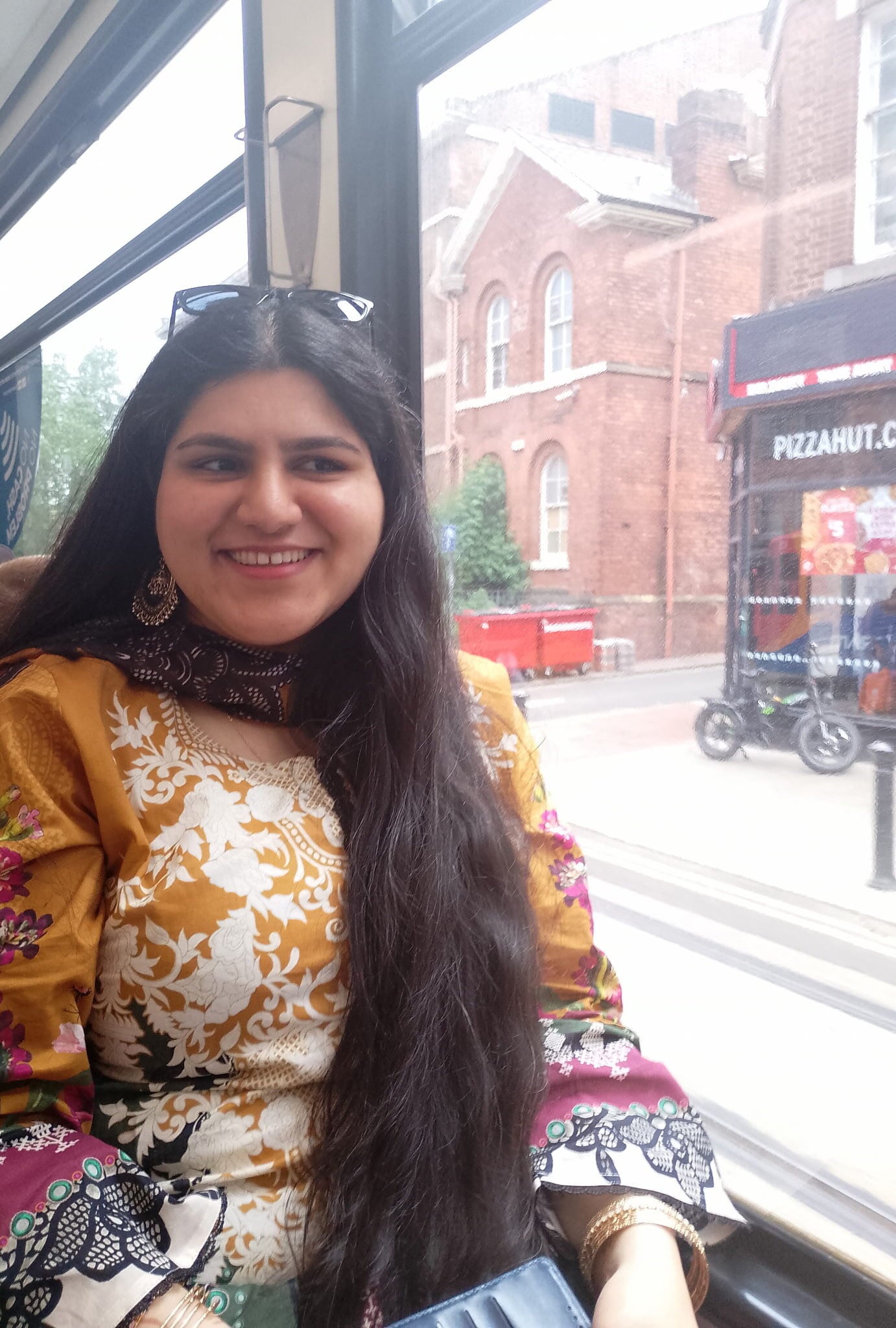
Sanah Bukhari
Membership administrator
Contact
Sanah has worked at AFSP since May 2024. She works closely with the registration committee to recommend members to the UKCP register. She also manages the 5-year reaccreditation for our registered members. Sanah manages and reviews administrative processes connected to membership, including enquiries, applications, renewals, resignations and reinstatements.
Sanah works with the chair of the registration committee to manage membership recruitment, stewardship and progression. She also provides support to potential applicants from the UK and overseas looking to register with UKCP.
Why did you want to work at AFSP?
I wanted to work at AFSP so I could give back to the community in a meaningful way. Working at AFSP has provided me with the chance to collaborate with like-minded individuals who share the same commitment to protecting the public.
I get to challenge myself and learn new things from internal and external colleagues alike, helping to improve the service I provide and deepen my understanding of systemic practice.
Why do you think family therapy and systemic practice are important?
They help families express emotions, understand perspectives, recognise needs and strengthen relationships through positive changes.
What’s your favourite quote related to mental health?
“It never hurts to keep looking for sunshine.” – Eeyore, character from Winnie-the-Pooh.

Claris Oppong
Administrator
Contact
Claris has worked at AFSP for 5 years as an administrator, handling enquiries and offering administrative support.
She is responsible for registering and invoicing new AFSP members. Claris also sends out continuing professional development (CPD) review letters and processes CPD applications as well as UKCP applications.
Why do you think family therapy and systemic practice are important?
Because it creates a safe environment for people to openly discuss their difficult thoughts and feelings and also to understand each other’s experiences, views and needs.
Why did you want to work at AFSP?
Because the organisation embraces diversity.
What’s your favourite quote related to mental health?
“Nothing can stop a man with the right mental attitude from achieving his goal; nothing on earth can help the man with the wrong mental attitude.” – Thomas Jefferson, third president of the US.
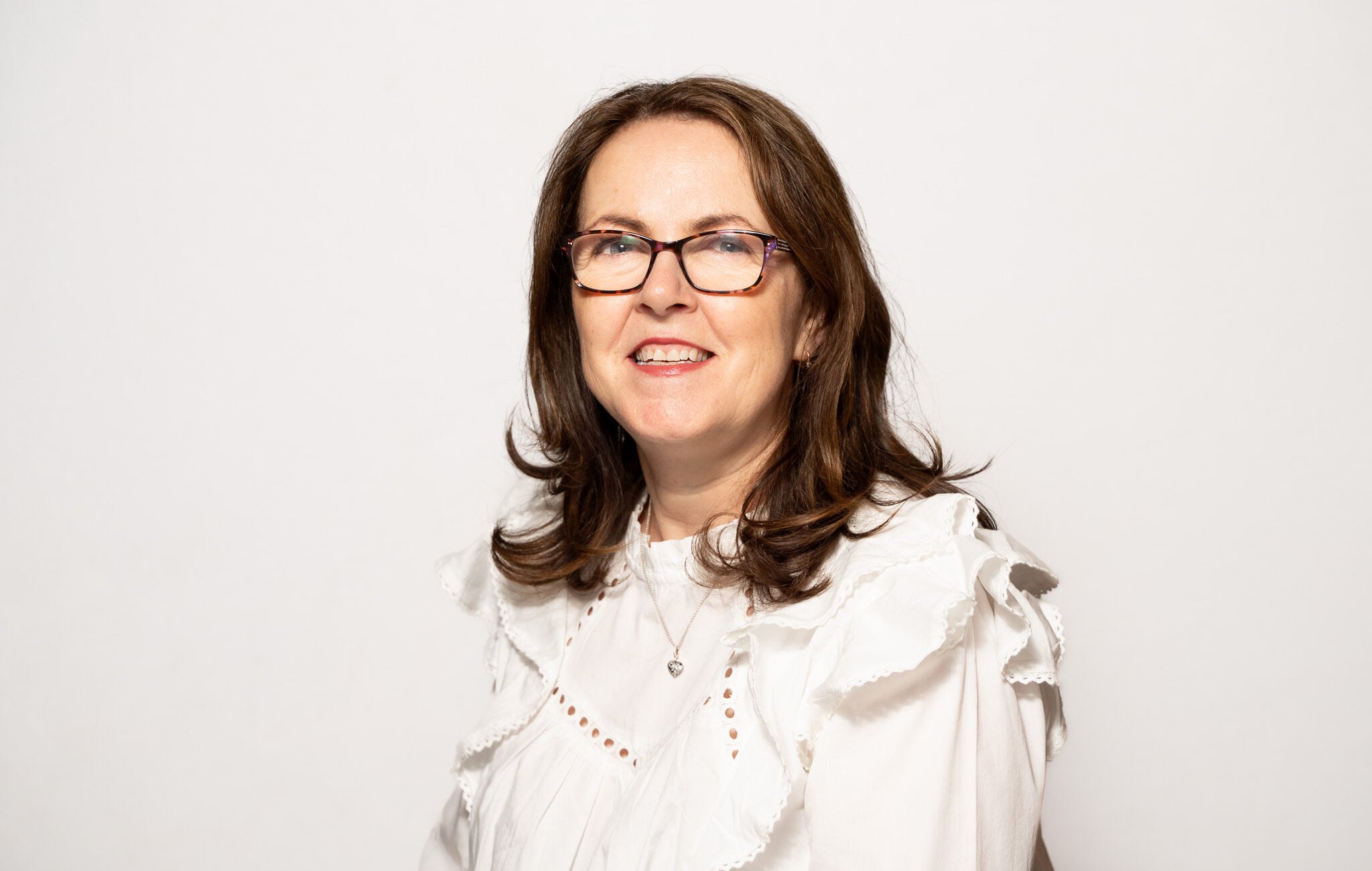
Louisa Tilston
Accreditations administrator
Contact
Louisa has worked for AFSP for 4 years. She is an accreditations administrator and works with the accreditations committee.
The role involves supporting the chair of accreditations and panellists in the regulatory function of the association in terms of accrediting courses and individuals. Louisa also checks reports for accuracy, liaising with training courses over course accreditation, annual reviews and reaccreditation. She ensures that applications for course accreditation are processed effectively too.
Why do you think family therapy and systemic practice are important?
Family therapy and systemic practice are important for maintaining healthy relationships with good communication, resulting in enhanced wellbeing.
Why did you want to work at AFSP?
I felt it would be good to contribute to helping the public. Mental health is becoming a bigger problem and more help is needed.
What’s your favourite quote related to mental health?
“Your mental health is a priority. Your happiness is essential. Your self-care is a necessity.” – unknown.
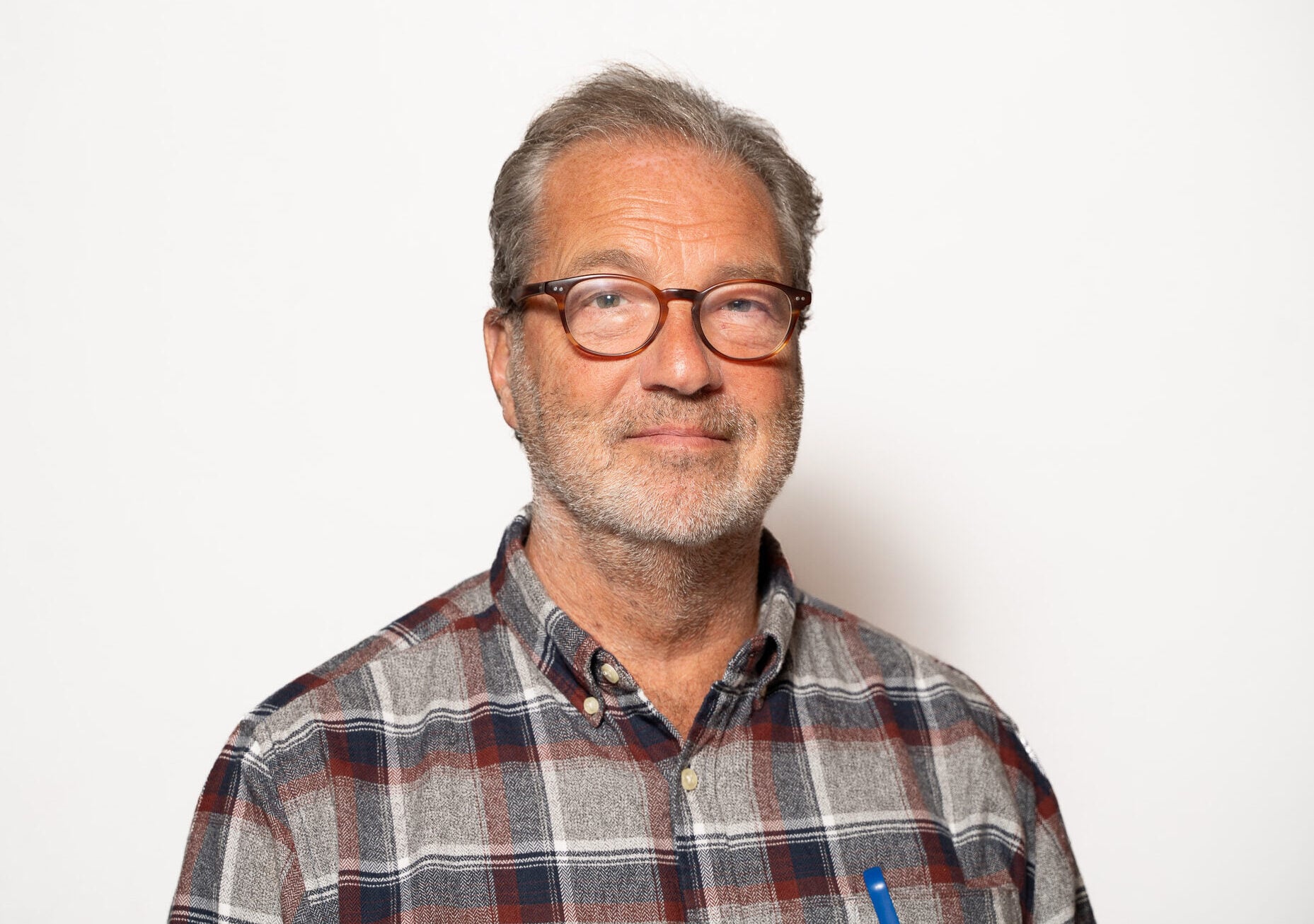
Ged Smith
Editor-in-chief, Context magazine
Contact
Ged has worked with and for AFSP for over 30 years, as chair of AFSP Publishing, and deputy editor and current editor-in-chief of Context magazine.
For most of this time, he has worked as a family and systemic psychotherapist in adult and children’s services in Merseyside. Ged has also represented AFSP at the European Family Therapy Association.
Ged has presented his work at many AFSP conference plenaries and workshops, as well as several webinars. He has also presented ideas in presentations and publications around the world.
Why did you want to work at AFSP?
I support systemic principles and ideas and want to make a difference to how the world understands people’s struggles in life, by moving away from the harm that traditional psychiatric practices do.
Why do you think family therapy and systemic practice are important?
Family and systemic therapy focuses on people’s lives and contexts, which is what shapes someone’s psychological wellbeing. It’s opposed to traditional mental health practices which situate problems in people’s heads, not in their lives
What’s your favourite quote related to mental health?
“When a flower doesn’t bloom, you fix the environment in which it grows, not the flower.” – Alexander den Heijer, family and systemic psychotherapist.
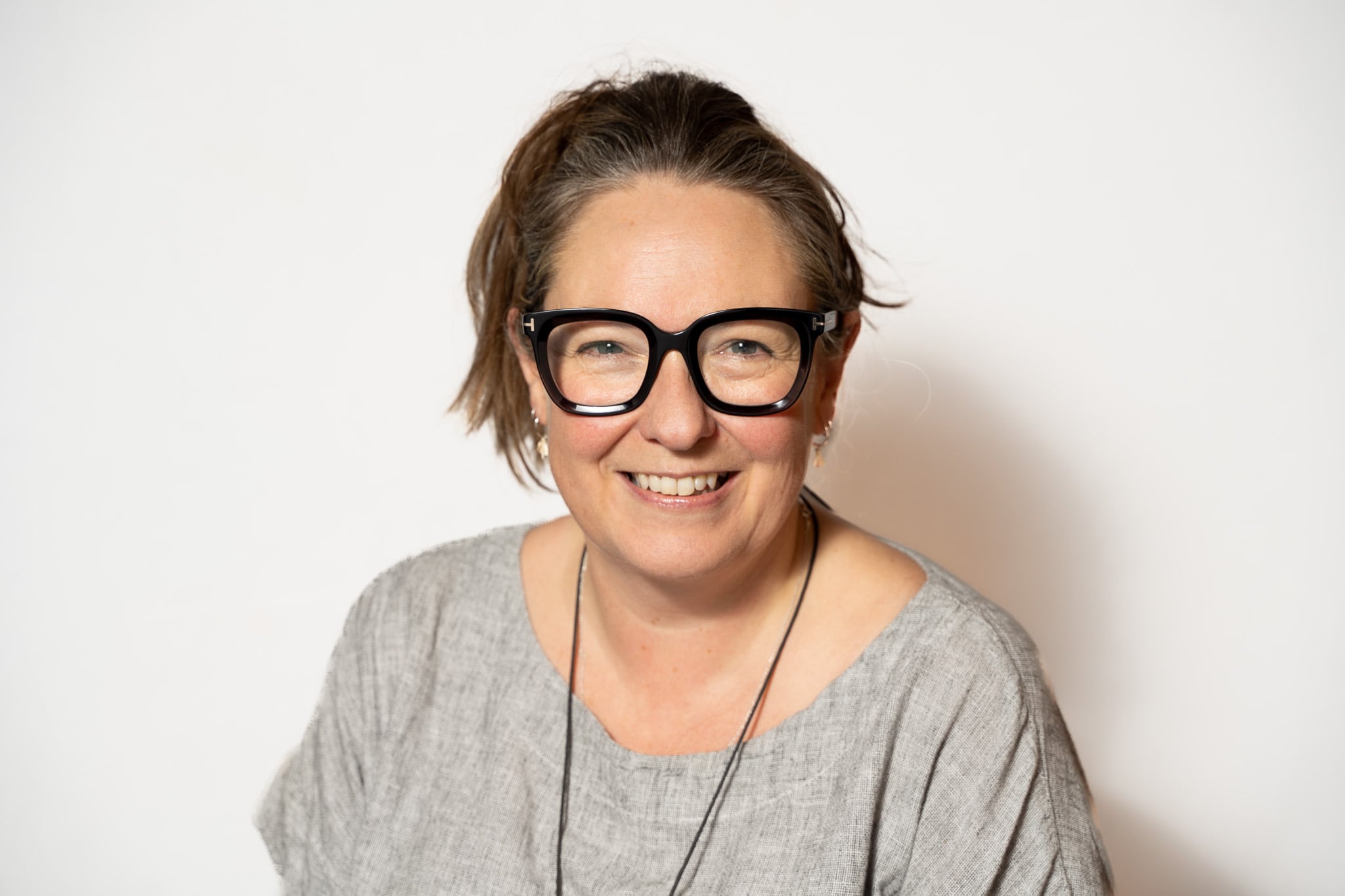
Sarah Helps
Editor-in-chief, Journal of Family Therapy
Contact
Sarah has been editor-in-chief of the Journal of Family Therapy since 2023.
In this role, she works to expand the diversity of submissions to the journal and to support those who submit through the review and publication process. She’s committed to developing the evidence base for family and systemic psychotherapeutic practice to widen service provision.
Sarah works in the NHS where she holds a strategic leadership role, developing psychologically informed care. In her academic work, she teaches systemic theory and practice in relation to clinical and organisational systemic interventions.
Why do you think family therapy and systemic practice are important?
Family and systemic practice are important because taking a collaborative, contextual, relational – as opposed to a siloed – view is an effective way of supporting clinical and organisational change.
What’s your favourite quote related to mental health?
“We are creatures of our surroundings, and we adapt ourselves to the prevailing winds blowing within the social weather of our times.” – John Shotter, 2017, After words: Our expressive bodies, Chapter 12 in Working with Embodiment in Supervision: a systemic approach.
Our board
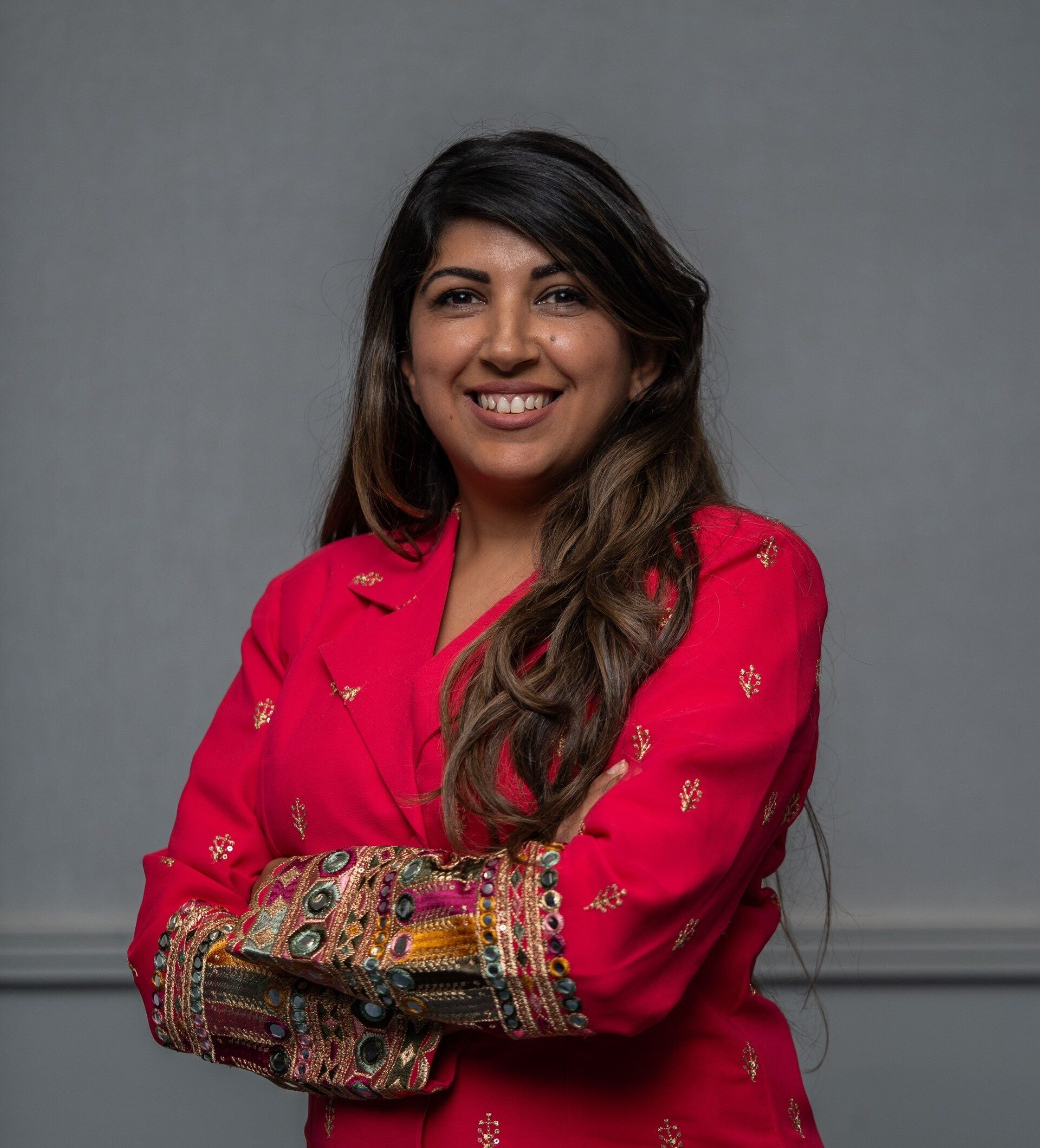
Parveen Kaur
Chair
Contact
[email protected]Parveen has volunteered at AFSP for 5 years. Her first role was through joining our registration committee in 2020. In 2021, she joined the diversity working party race group, a lived experience group of AFSP members, embedding this lens into AFSP’s day-to-day processes.
In 2022, Parveen joined our accreditation committee and, in September 2023, she was elected AFSP chair.
Parveen is a family and systemic psychotherapist, and head of the Birmingham systemic training programme at Birmingham and Solihull Mental Health Foundation Trust. Parveen describes herself as a Sikh systemic soul. She is a real foodie and has a keen interest in nature and her Indian roots.
Why did you want to be an AFSP trustee?
Because it represents the values that first drew me to systemic practice: curiosity, relational responsibility and a commitment to social justice. AFSP holds a unique position in championing systemic thinking not only within therapy, but across wider social, organisational and political contexts.
I was particularly drawn to AFSP’s role in nurturing ethical practice, supporting practitioners at all stages of their careers and creating space for difficult but necessary conversations about power, inequality and accountability. At a time when relational work is often marginalised or individualised, AFSP continues to articulate why systemic perspectives matter.
Working for AFSP felt like an opportunity to contribute to a community that takes complexity seriously, values collective leadership, and remains committed to learning, reflection and change – both within the profession and beyond it.
Why do you think family therapy and systemic practice are important?
Systemic thinking and practice invites us to look at patterns of relationship rather than locating problems within people. It recognises that behaviour makes sense within context and that power, culture, language and social structures all play a role in shaping what is possible for individuals and groups. This perspective creates space for compassion without collusion, and responsibility without blame.
Systemic therapy matters because it is inherently ethical. It asks practitioners to remain curious about their own position, influence and assumptions, and to attend to issues of power, inequality and marginalisation. In a world where social injustice, racism, poverty and exclusion increasingly have an impact on mental health, systemic practice offers tools to respond thoughtfully rather than simplistically.
Beyond the therapy room, systemic thinking supports healthier organisations and communities. It helps us to understand conflict, leadership and change as relational processes rather than technical problems. This makes systemic practice particularly valuable in education, health, social care and governance – anywhere people must work together across difference.
Ultimately, systemic thinking holds complexity with humility. It resists quick fixes and reductive narratives, and supports collaborative, sustainable change. It reminds us that wellbeing is not just an individual achievement, but a collective responsibility.
What’s your favourite quote related to mental health?
“This is a wonderful day. I’ve never seen this one before.” – Maya Angelou, memoirist and poet. It reminds me to see the beauty in every day.
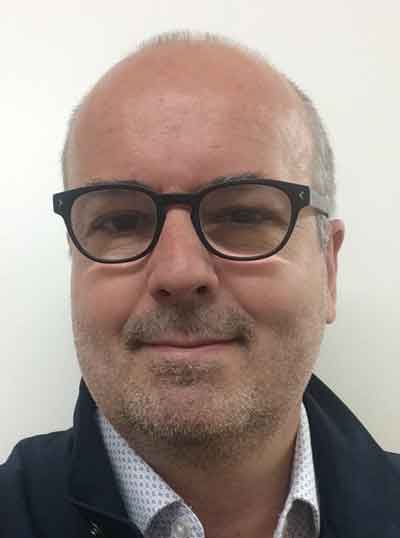
Simon Cornwell
Contact
Simon is a partner and a stepdad to 2 teenage children who have taught him as much, if not more, about families than most of his professional experiences. Simon has been a trustee for AFSP for 2 years and was drawn to the role by the opportunity to contribute to shaping the future of the profession.
Simon has spent over 30 years working with young people, adults and families, initially as a social worker and then as a family and systemic psychotherapist in the NHS and children’s social care.
He has led therapy teams, been a consultant and trainer, and lectured on systemic training courses. Simon has supervised individuals and teams locally, nationally and internationally. He has spent many years in managerial roles with teams and services in the public sector.
Simon is enthusiastic about translating therapeutic ideas into meaningful day-to-day clinical practice and helping to develop collaborative working practices with families and teams. He likes a decent cup of coffee, a good pizza and is a lapsed Chelsea football fan (sorry!).
Why did you want to be an AFSP trustee?
Originally, my interest was more about the opportunity to be part of shaping the profession going forward, having reached an age where I had gathered views on the more strategic and – dare I say – political (with a small p) aspects of the profession in its current contexts.
As I became more involved with the board, the importance of the ‘custodian’ element to the role became more meaningful for me. I also became part of a diverse, dedicated, thoughtful and hardworking group of board members, which made me increasingly want to stand alongside my fellow trustees. Something brought me to the role, then something additional kept me in the role.
And, at a basic level, I am proud to be a family and systemic psychotherapist, what we stand for and our world view sits well with my personal values. It is quite a privilege to have the chance to have input into the ‘here and now’ as well as the future of the discipline I am so proud of.
Why do you think family and systemic psychotherapy is important?
Is therapy so important? I think it can matter, and for many can feel important in difficult times. At its best, family and systemic psychotherapy can be part of shaking off pathologising ways of understanding ourselves in relationships when situated in our predicaments of life, and enables discovery of our own wisdom when it matters most.
It offers a type of conversation that helps us realise we are more than the effects of injustice, oppression and adverse experiences whilst recognising the impact of such matters on our relationships and worlds. I feel that’s a reasonably decent place for a therapy to start from.
What’s your favourite quote related to mental health?
I can give you 2 that come to mind today – they may feel less relevant for me next week!
“Certainty is the enemy of change.” – Salvador Minuchin, family and systemic psychotherapist.
“I have a theory that theories are destructive.” – Carl Whittaker, family and systemic psychotherapist.
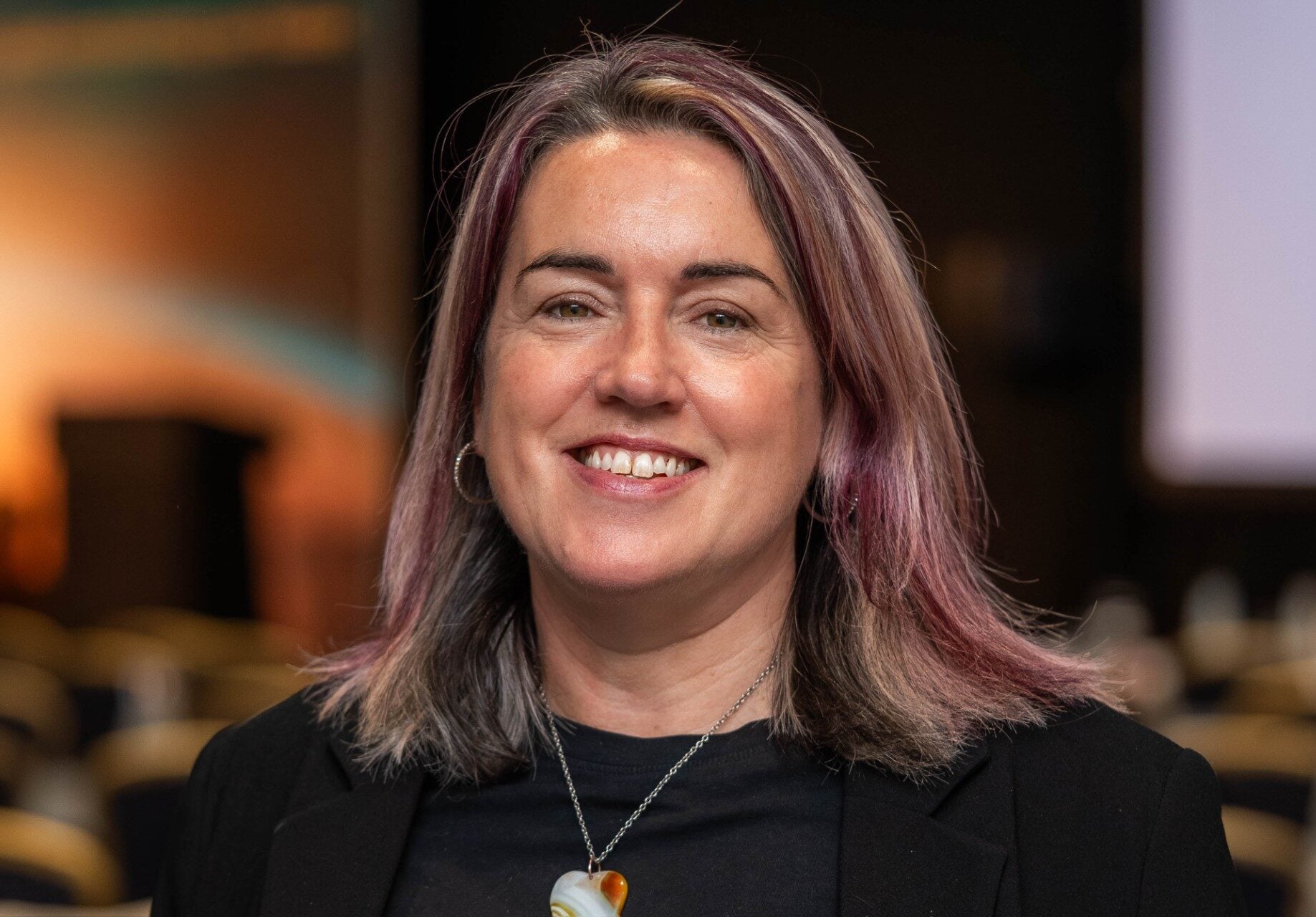
Clare Cribb
Contact
Clare is a committee member of AFSP Cymru (Wales) and joined AFSP’s UK board in June 2025. She is a systemic psychotherapist and supervisor. She is also a tutor on the foundation course at the Centre for Systemic Studies in South Wales. She works part-time as a consultant psychiatrist in the NHS in Swansea.
Clare is committed to promoting systemic thinking and ideas to public sector contexts and enjoys the challenges this brings. She loves baking, her cats and going swimming at the beaches of the Gower peninsula.
Why did you want to be an AFSP trustee?
To be a part of the systemic community and of ensuring that this precious work – systemic practice – survives and thrives within our institutions.
Why do you think family therapy and systemic practice are important?
Systemic thinking goes broad and deep, deeper than most other ways of thinking about how we help healing from mental suffering. In all my years of studying how healing can be done, the systemic world is the most open, enquiring, respectful and compassionate place I have found (most of the time!).
What’s your favourite quote related to mental health?
“Pathology is a relatively easy thing to discuss, health is very difficult. This, of course, is one of the reasons why there is such a thing as the sacred, and why the sacred is difficult to talk about, because the sacred is peculiarly related to the healthy. One does not like to disturb the sacred, for in general, to talk about something changes it, and perhaps will turn it into a pathology.” – Gregory Bateson, anthropologist and social scientist.
Irene Cronin
Contact
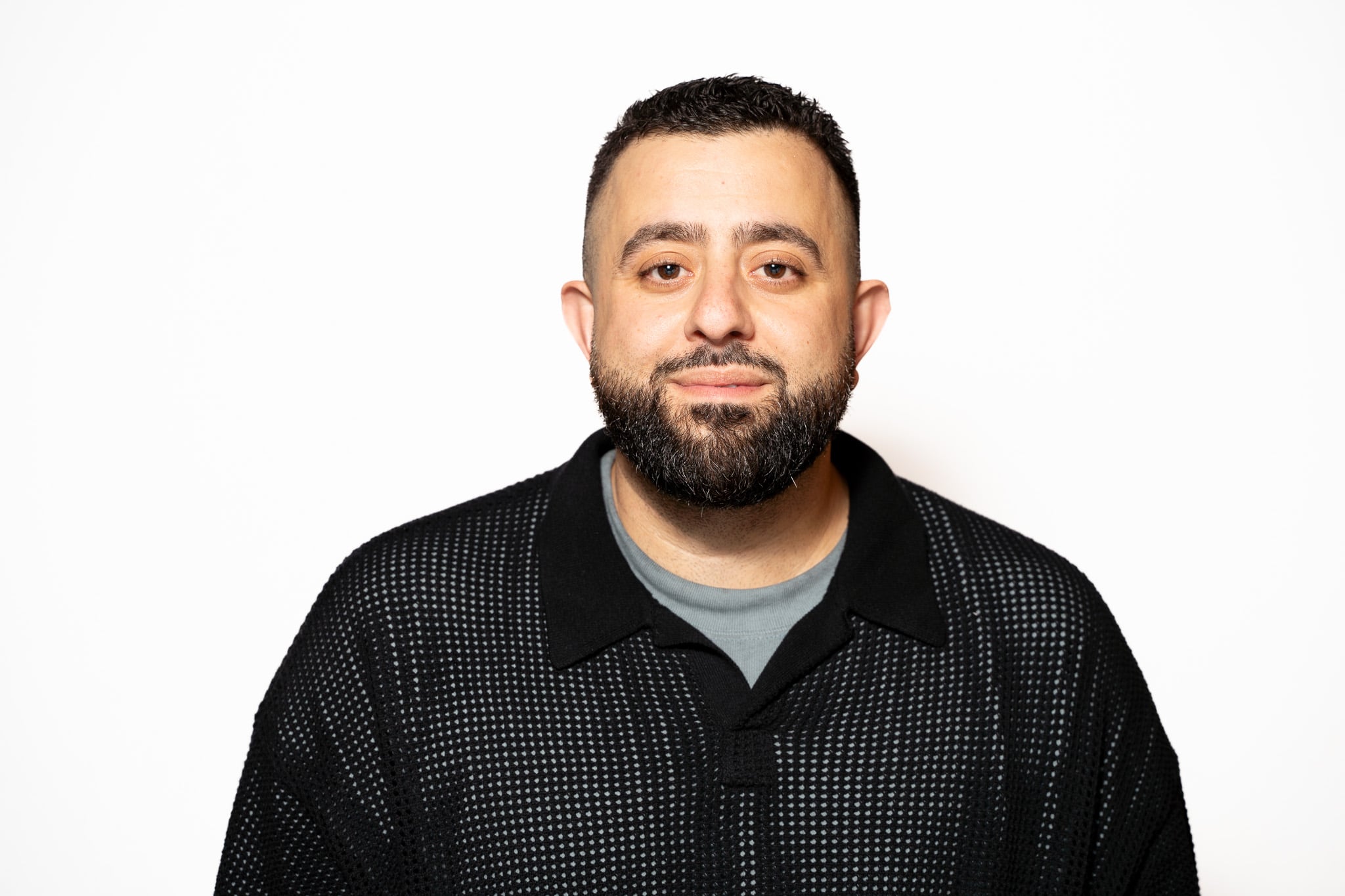
Sezer Fahri
Contact
Sezer Fahri is a dual‑qualified systemic family psychotherapist and social worker with over a decade of experience supporting children, young people and families across statutory and third‑sector services.
His practice is grounded in relationship‑based, systemic thinking, drawing on narrative and structural approaches while integrating mindfulness to help families create meaningful and sustainable change.
Within child and adolescent mental health services (CAMHS), Sezer specialises in adolescent conduct difficulties, trauma, anxiety, family conflict, school‑related challenges, intercultural therapy and parenting. His earlier career as a senior social worker included extensive work with young people at risk of homelessness, unaccompanied asylum‑seeking children, and families navigating court processes. He also designed and delivered a national Home Office programme supporting families vulnerable to exploitation.
Alongside clinical work, Sezer is a senior lecturer on the Tavistock’s systemic portfolio. He also provides systemic consultation to schools, social care teams and community organisations, and runs a small private practice.
Sezer is the co‑host of The Systemic Way podcast.
Why did you want to be an AFSP trustee?
I wanted to become an AFSP trustee to strengthen the profession’s visibility, champion systemic thinking nationally, and support the next generation of therapists.
Why do you think family therapy and systemic practice are important?
I believe family therapy matters because change is relational, contextual and co‑created.
What’s your favourite quote related to mental health?
One of my favourite mental‑health‑related quotes is: “When we change the way we look at things, the things we look at change.” – Wayne Dyer, author and motivational speaker.
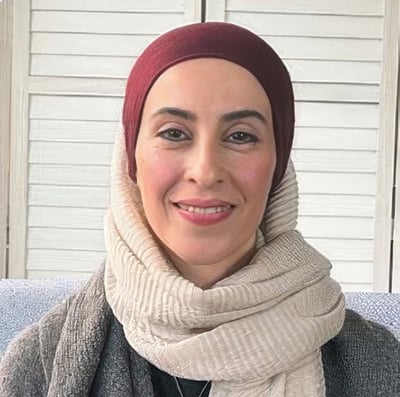
Jasmin Izagaren
Contact
Jasmin is a family and systemic psychotherapist working in a clinical service within social care in south London.
She was part of our publishing committee as a student representative before joining the AFSP board in September 2022. Her focus is currently on foregrounding student voices within research and publishing.
Jasmin is particularly interested in creative and novel approaches to learning, knowledge-building and therapeutic practice. She’s also interested in thinking about physical health and illness from a systemic perspective, and in how diverse voices are invited into professional and learning spaces.
Outside of work, Jasmin is a mum to a teenage daughter (who inspires her systemic thinking daily!) and enjoys holistic ways of living, walks and travel.
Why did you want to be an AFSP trustee?
To contribute towards advocating for and inviting diverse and quieter voices into the profession and membership, while supporting learning through creativity and collaboration.
Why do you think family therapy and systemic practice are important?
Family therapy and systemic practice attend to relationships, contexts and power, rather than locating difficulties solely within individuals. This approach has shown me countless times how collective, alongside personal, responsibility and relational resources can lead to powerful change.
What’s your favourite quote related to mental health?
“Mental health is not a static state. It is something that must be won, and won again, every day.” – Frantz Fanon, psychiatrist and political philosopher.
Marianne Le Coyte Grinney
Contact
Marianne Le Coyte Grinney is a systemic psychotherapist, NHS eating disorder team lead and private practitioner with extensive experience supporting young people, adults, families and professional networks.
She also brings public-sector governance experience, as a borough councillor and vice chair of Swindon Borough Council’s Corporate Parenting Board, where safeguarding, relational practice and equity are central.
Marianne’s work is grounded in ethics, accountability and inclusive care, with a particular interest in digital and AI-enabled ways of working. As a new AFSP board member, she brings clinical, strategic and civic insight to champion systemic practice, professional standards and public confidence.
Why did you want to be an AFSP trustee?
I wanted to work with AFSP because I believe systemic practice has a crucial role to play in modern mental health, social care and public life.
I am keen to contribute my experience across NHS leadership, private practice and corporate governance to support members, strengthen public understanding, and help ensure that innovation – particularly digital and AI-enabled practice – remains ethical, relational and safe.
Why do you think family therapy and systemic practice are important?
Family therapy and systemic practice are vital because they understand people in context – not as isolated problems, but as part of relationships, cultures, histories, communities and wider systems.
Systemic practice offers a powerful way of working with complexity: reducing blame, strengthening connection, and helping families, networks and organisations find new possibilities.
What’s your favourite quote related to mental health?
“Without context, words and actions have no meaning at all.” – Gregory Bateson, anthropologist.
“We only say what people hear.” – Ros Draper, psychotherapist and supervisor.
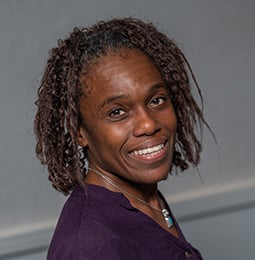
Yvonne Rose
Contact
Yvonne was elected as an executive director and trustee in 2023. She works as a principal family systemic psychotherapist within Community CAMHS, where clinician wellbeing remains central to her practice – shaped by her experience supporting frontline staff during the pandemic.
She is also a systemic visiting tutor at the University of Leeds, offering reflective groups to students from the global majority. Yvonne has recently moved into clinical work with private clients and freelance organisations.
She is beginning to integrate the outdoors with therapy within a charity. Yvonne finds joy with family, friendships, creativity, and her adopted cats.
Why did you want to be an AFSP trustee?
My journey began through systemic activism for Black Lives Matter and later AFSP’s cultural review. I was elected as an executive director and trustee in 2023. I stepped into trusteeship during a time of global and organisational challenge. Despite ongoing difficulties, I remain committed to systemic thinking, community connection, and the belief that even small voices can contribute to meaningful change.
Why do you think family therapy and systemic practice are important?
I am passionate about the relational curiosity at the heart of systemic thinking. I hold onto hope, peace, and the belief that meaningful change unfolds across a lifetime – within us and our communities.
Nature is an important source of restoration for me, and I am enjoying combining systemic thinking whilst holding space outdoors.
What’s your favourite quote related to mental health?
“People will never forget how you made them feel.” – Maya Angelou, memoirist and poet.
Baber Siddiqi
Contact
Also of interest

What we do
Explore our work as the UK’s professional association for family and systemic psychotherapists and practitioners.

How we’re governed
Find out how we’re governed, and read our latest annual report and Annual General Meeting minutes and report.